
How to Bring Your Dog to the Philippines - Pet Import Requirements & Airline Guide to Manila
This guide explains how to bring your dog or cat to the Philippines, including the BAI SPSIC import permit, airline rules, vaccination requirements, and what happens when your pet arrives in Manila or Cebu.
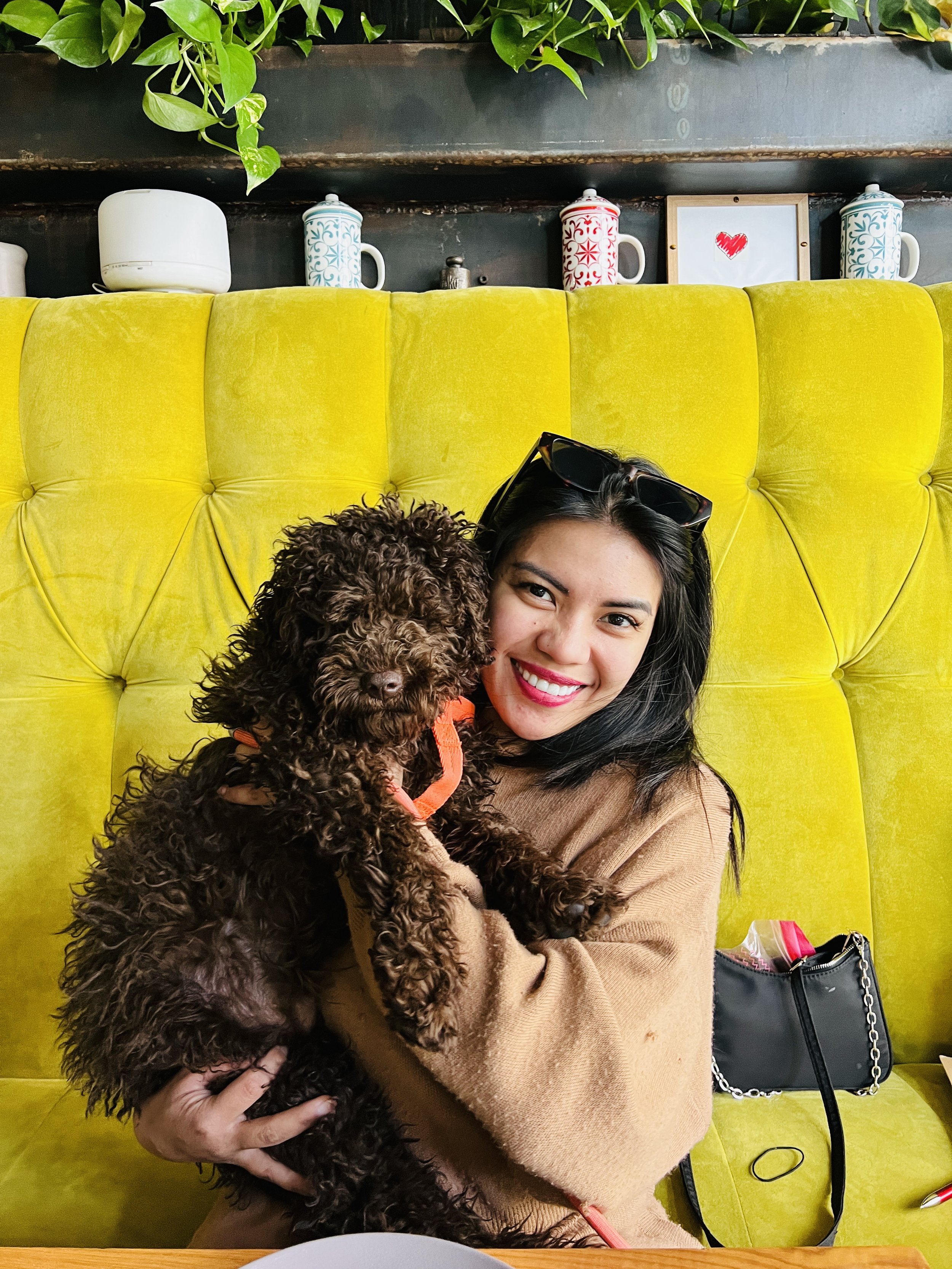
If you thought walking 280 kilometers on the Camino was a challenge, try navigating the paperwork for an international pet relocation. In 2023, I flew from Montenegro to Manila via Istanbul with my Lagotto Romagnolo, Malaya, using Turkish Airlines. She was seven months old at the time and traveled in the aircraft cargo hold.
Flying International with Your Pet to the Philippines
Traveling with a pet isn't just about buying a ticket - it's a high-stakes logistical puzzle involving government permits, specific airline rules, and perfectly timed vaccinations. If you're planning to bring your "furbaby" back home to the Philippines via Turkish Airlines or any major carrier, here is the blueprint on how to make it happen.
1. Philippines pet import requirements - The Bureau of Animal Industry (BAI)
Before your pet even sniffs a crate, you must deal with the Philippines' Bureau of Animal Industry (BAI).
The SPSIC (Import Permit)
The most critical document is the Sanitary and Phytosanitary Import Clearance (SPSIC).
• Where to get it: Apply online at intercommerce.com.ph — select "One Time Importer" for personal pets.
• Validity: The permit is valid for 60 days from issuance.
• Crucial Timing: You must have the approved permit before the pet leaves the country of origin. If the pet arrives without it, they can be seized or deported.
• Up to 3 animals (dogs or cats) can be listed on one SPSIC.
2. Airlines That Fly Pets to the Philippines : Top Carriers to Manila & Cebu
Turkish Airlines is popular for long-haul pet transport because pets can travel either in the cabin (PETC) or in the aircraft hold (AVIH), and the airline operates a large global network through Istanbul — one of the most common transit hubs for international pet relocation.
Turkish Airlines Pet Policy
🐶 Pet in Cabin
Small pets can travel inside the cabin if the combined weight of the pet and carrier is under 8 kg.
The carrier must fit under the seat in front of you, and the pet must remain inside the carrier for the entire flight.
✈️ Pet in Cargo Hold
Larger pets travel in the temperature-controlled cargo hold as checked baggage.
The maximum combined weight allowed is 50 kg (pet + crate), and the crate must follow IATA-approved standardswith proper ventilation and locking mechanisms.
📋 Booking & Documentation
Pets must be reserved in advance because airlines limit the number of animals per flight.
Travelers must also provide all required health documents, including:
Microchip identification
Rabies vaccination certificate
Veterinary health certificate
Import permit required by the destination country
For the Philippines, this includes the BAI SPSIC import permit.
⚠️ Breed & Health Restrictions
Some breeds classified as dangerous or snub-nosed may be restricted from flying, especially in the cargo hold.
Pets must also be at least 10 weeks old, healthy for travel, and sedated animals are usually not accepted.
While Turkish Airlines is a favorite for its specialized animal handling, other major airlines offer robust programs for the long journey to the Philippines.
The Major Contenders
KLM Royal Dutch Airlines
Known for the "KLM Animal Hotel" at Amsterdam Schiphol — a dedicated facility with climate-controlled vehicles, dog-walking service, and 24/7 care for pets during layovers.
• Weight limit: Max 75kg combined (pet + crate) for cargo hold transport.
• Transfer rule: KLM accepts pets in the cargo hold only if your connection in Amsterdam is 3 hours or less. Layovers longer than 3 hours require booking as manifest cargo through a specialized freight agent — a separate and more expensive process.
⚠️ Important: A 3+ hour Amsterdam layover does NOT mean your pet gets a nice break at the Animal Hotel as part of your ticket. It means your pet must travel as manifest cargo, which requires booking via a specialized freight agent. The Animal Hotel is a cargo facility, not a passenger perk.
Lufthansa
Features the "Lufthansa Animal Lounge" in Frankfurt — the most advanced facility of its kind, with 24/7 care, on-site veterinary services, and dedicated animal caretakers under one roof.
• Max 2 animals per passenger total (cabin and/or cargo hold combined).
• Note: Pets cannot transit through Munich in the hold. Frankfurt connections are permitted.
Qatar Airways
A popular choice for flights into Manila (NAIA) and Cebu (MCIA). Highly regarded for temperature-controlled cargo holds, though they have very strict breed restrictions.
Emirates
Generally requires pets to travel via Emirates SkyCargo rather than as checked baggage. This is a premium service with a dedicated hub in Dubai. Important: SkyCargo bookings require you to work through a specialized pet freight forwarder — you cannot book directly as an individual passenger.
Korean Air
An excellent option for those coming from North America or Northern Europe. Note: They do not allow pets on Boeing 737 aircraft due to ventilation limits, so confirm your plane model before booking.
The "Two to Five Animal Slot" Rule & Capacity
Most international flights have a strict limit (often only 2 to 5 slots) for live animals in the cargo hold (AVIH). Book your pet's slot the second you book your own flight — it is often more competitive than getting a Business Class seat.
3. The Mandatory Requirements
To clear both the exporting country (like Montenegro) and the Philippines (BAI), you need the following:
• ISO-Compliant Microchip — must be implanted before the rabies vaccination.
Vaccination Records:
• Rabies: Initial vaccination must be administered at least 14 days before the SPSIC application date. The vaccine must not be more than 1 year old at time of travel. (As conservative practice, aim for at least 30 days before your departure date to allow buffer time for your SPSIC approval.)
• DHLPP: Protection against Distemper, Hepatitis, Leptospirosis, Parvovirus, and Parainfluenza. Note: This is DHLPP — not just DHPP. Leptospirosis is a separate required component and must be included. BAI specifically requires it.
⚠️ Vaccine note: A standard DHPP vaccine does NOT include Leptospirosis. Make sure your vet administers DHLPP (or DHPP + separate Lepto booster). Missing this can cause your pet to fail BAI inspection at the airport.
• Health Certificate & Export Permit: Issued by a licensed vet in your starting country. Should be issued within 7 to 10 days of your flight date for maximum validity.
• Blood Titer Test (Optional but Recommended): While not strictly required for Philippines entry, it is essential for transiting through many EU hubs and adds a safety buffer to your documentation.
4. Age, Weight, and Breed Restrictions
• How old? Your dog must be at least 4 months (120 days) old at the time of the SPSIC application.
• How heavy? Standard "Checked Baggage" cargo usually caps at 32kg to 50kg depending on the airline. Anything over the airline limit must fly via Manifest Cargo (a separate freight process).
The "Snub-Nose" Alert:
Breeds like Pugs, Bulldogs, Boxers, and Shih Tzus (brachycephalic) are banned from the cargo holds of many airlines (including Qatar Airways and sometimes Turkish Airlines) due to respiratory risks. If you have one of these breeds, you may need to find a specialized pet shipper or fly them in-cabin if they are small enough.
5. Arrival in Manila or Cebu
Once you land, follow these steps:
• Head straight to the Veterinary Quarantine Office at the airport.
• Fees: Pay the inspection fees (approximately PHP 250-500).
• Customs: Have your SPSIC and original Health Certificate ready. Personal pets are usually exempt from heavy duties if the paperwork is flawless.
Final Tip: The "Main Character" Energy
Traveling with Malaya taught me to be her best advocate. Keep a physical folder with three copies of every document. Be polite but firm with airline staff, and always double-check that the "Live Animal" stickers are visible and the water bowl is securely attached to the crate door.
FAQ
How much does it cost to bring a dog to the Philippines?
Costs vary depending on airline, crate size, and veterinary requirements but typically range from $500 to $3,000.
Do dogs need quarantine in the Philippines?
No quarantine is required if your pet has the correct BAI SPSIC permit and vaccination documents.
What vaccines are required for dogs entering the Philippines?
Rabies vaccination, DHLPP vaccination (including Leptospirosis), and a veterinary health certificate.
What airlines fly to the Philippines?
These are that Airlines That Fly Pets to the Philippines
KLM
Turkish Airlines
Lufthansa
Qatar Airways
Emirates
Korean Air
